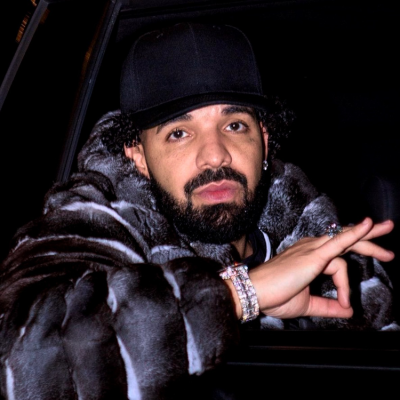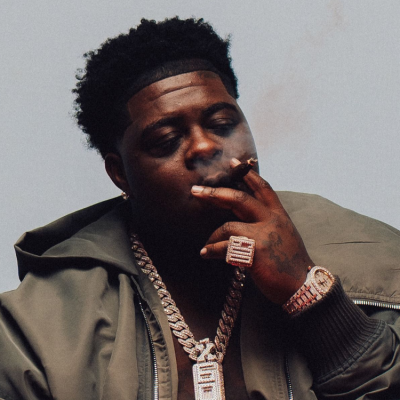








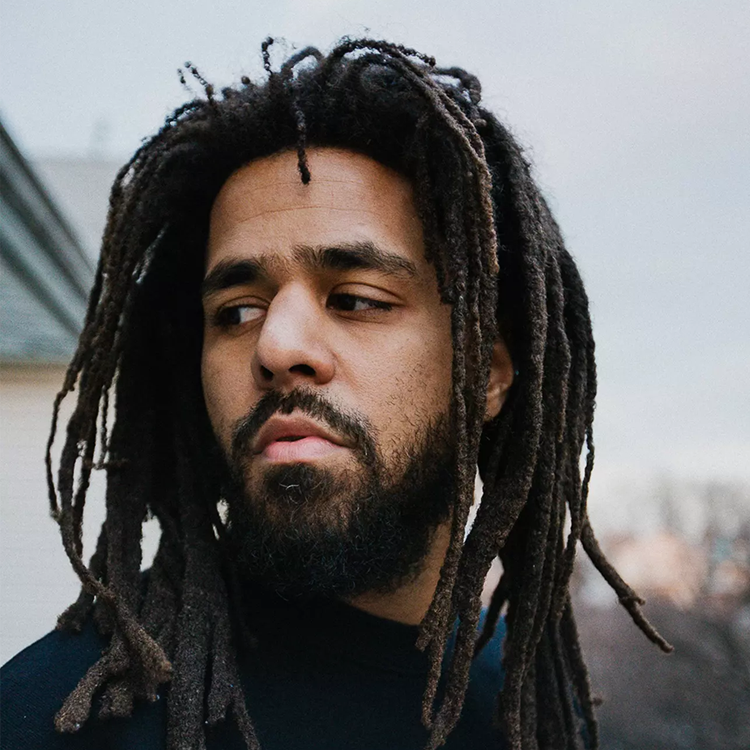

The J. Cole, Kendrick Lamar, and Drake beef exposed a troubling side of hip-hop, and Cole is still struggling with its fallout.
The Dreamville rapper has made it clear that watching two artists he genuinely respects become enemies was painful, especially as fans turned a musical rivalry into an all-out cultural war.
Cole’s decision to withdraw from the battle in 2024 remains one of the most debated moments of his career. After releasing “7 Minute Drill,” a response to Kendrick’s shots on “Like That,” he publicly apologized and stepped away.
Some fans viewed the move as a surrender. Others saw it as a rare moment of maturity in a business where pride often comes before personal relationships.
J. Cole Rejects the Toxic Fan Rivalry
Cole’s frustration goes beyond the music. He has criticized the way audiences became divided into opposing camps, treating support for Kendrick or Drake like a political allegiance.
The rapper has also expressed discomfort with the public piling onto Drake during the feud. In his view, the backlash sometimes went beyond criticism of the music and became an opportunity to tear down an artist’s entire legacy.
That perspective raises an uncomfortable question: when does competitive hip-hop stop being about lyrical skill and become an excuse for online harassment?
Rap battles have historically pushed artists to deliver some of their most memorable work. But when fan loyalty becomes blind allegiance, meaningful criticism can disappear beneath personal attacks, viral narratives, and endless arguments over who deserves the crown.
The Big Three Debate Is Far From Over
Cole’s position has not silenced his critics. Some fans still believe he damaged his standing among hip-hop’s elite by stepping away from the competition he once embraced. Others argue that refusing to sacrifice friendships for public approval takes a different kind of confidence.
The J. Cole, Kendrick Lamar, and Drake beef also revealed how difficult it has become to separate an artist’s music from the online narratives surrounding them.
Ultimately, Cole’s decision forces hip-hop fans to confront a question that goes beyond rankings and diss tracks: should an artist risk genuine relationships to satisfy an audience demanding conflict?
The answer may never unite the fanbases. But one thing is clear: the battle’s cultural impact extends far beyond the music, and the debate over loyalty, legacy, and competition is nowhere near finished.
J. Cole and his mentor Mark Pitts reflect on the 2024 rap beef and his decision to apologize:
Cole: “I got [Kendrick] on the album, puts me in a weird position. Like, I got to respond without responding, but still try to save face… On top of that, I thought I was done with the album. I’m retired, uninspired in my mind.”
MP: “I found out he did the apology. As a man, I was like, ‘I’m proud of you for real. But right now as a fan, the f*ck are you doing?’”
(via GQ)
— Kurrco (@Kurrco) October 28, 2026