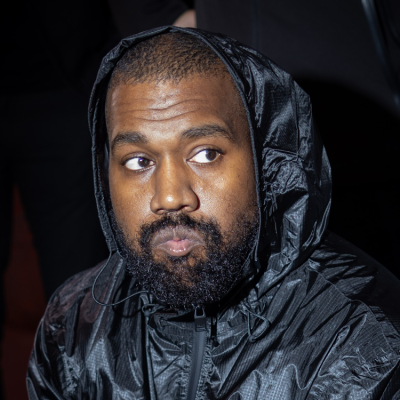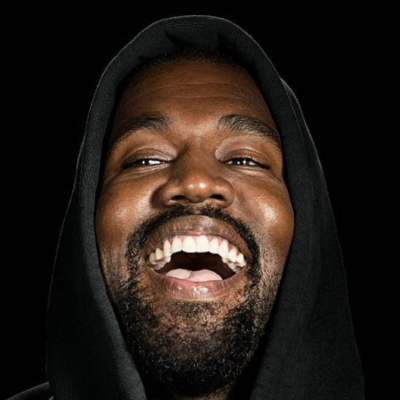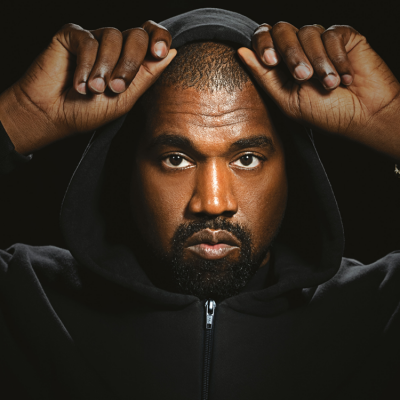








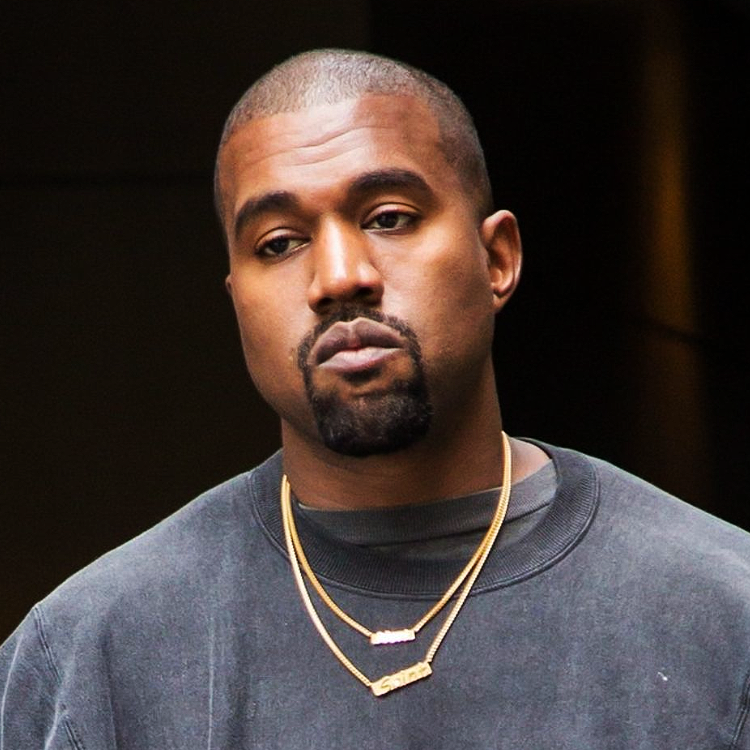

Ye has publicly acknowledged his past manic behavior and issued an apology for the pain he has caused in recent years.
On Monday (January 26), the Wall Street Journal featured an ad Ye placed in its print edition. In it, he shares an open letter addressed to “Those I Hurt.”
The letter begins with Ye detailing the extent of the injuries he suffered in his infamous 2002 car accident. While his broken jaw received attention, he disclosed that damage to his frontal lobe went undiagnosed until 2023. This injury, as Ye reveals, contributes to his type-1 bipolar disorder.
In the letter, Ye reflects on losing touch with reality.
“I lost touch with reality,” Ye explains. “Things got much worse the longer I ignored the problem. I said and did things I deeply regret. Some of the people I love the most, I treated the worst. You endured fear, confusion, humiliation, and the exhaustion of trying to have someone who was, at times, unrecognizable. Looking back, I became detached from my true self.”
Later, Ye addresses his association with controversial symbols and actions during what he describes as his “fractured state.”
He acknowledges poor judgment and reckless decisions, such as incorporating a Swastika into apparel designs and releasing a song titled “Heil Hitler.”
“I regret and am deeply motirifed by my actions in that state, and am committed to accountability, treatment, and meaningful change,” he writes. “It does not excuse what I did though. I am not a Nazi or an antisemite. I love Jewish people.”
Turning to the Black community, Ye expresses remorse for letting them down.
“To the Black community – which held me down through all of the highs and lows and the darkest of times,” he continues. “The Black community is, unquestionably, the foundation of who I am. I am so sorry to have let you down. I love us.”
Ye also opens up about an intense four-month manic episode in 2025 when he hit rock bottom. He explains that this period was particularly devastating and revealed the full impact of his illness. It was only with the encouragement of his wife, Bianca Censori, that he finally sought help.
As he concludes the letter, he clarifies that he seeks neither sympathy nor absolution but hopes to regain trust.
“I’m not asking for sympathy, or a free pass, though I aspire to earn your forgiveness,” he concludes. “I write today simply to ask for your patience and understanding as I find my way home.”