







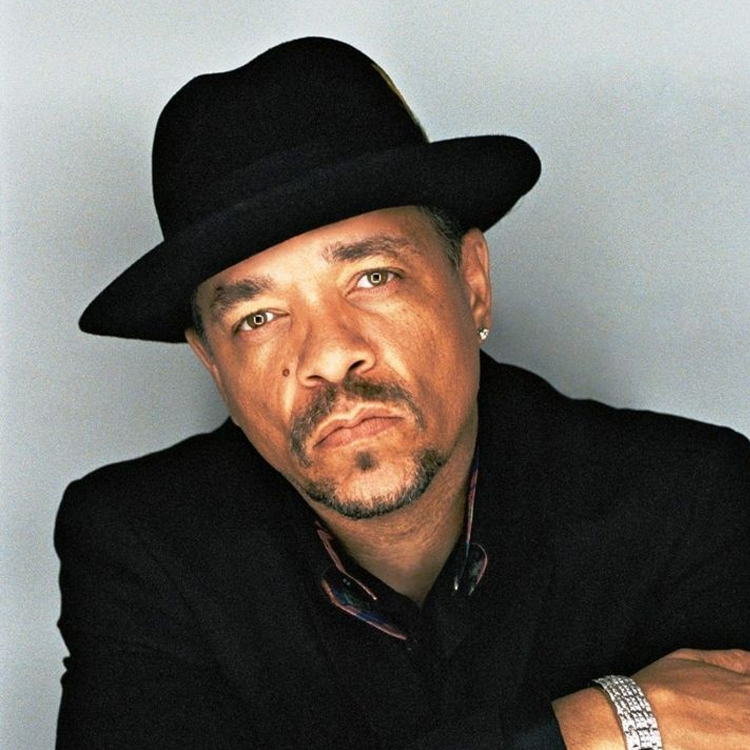

Before hip-hop became corporate nostalgia and streaming-era fast food, Ice-T was turning South Central survival into sharp, cinematic storytelling. Long before “gangsta rap” became a marketing term, he was documenting street psychology with realism, detail, and discipline — creating records that felt more like urban crime novels than club music.
From Rhyme Pays and Power to O.G. Original Gangster, Ice-T helped build the blueprint for West Coast rap while simultaneously pushing boundaries through Body Count, blending heavy metal, punk energy, and street frustration into one of music’s most controversial eras. Then came Hollywood, New Jack City, and eventually Law & Order: SVU, where he became one of television’s longest-running and most recognizable stars.
But what separates Ice-T from many of his peers is evolution. He never stopped creating — he just stopped forcing himself into versions of hip-hop he no longer connected with creatively. While trends shifted toward gimmicks and disposable records, Ice waited for lyricism and substance to return.
Now, after more than 20 years away from solo rap, “Criminal Migraine” marks his return with purpose, not nostalgia. The album explores survival, mental transition, street instincts, and the pressure of evolving without forgetting where you came from. It’s reflective, raw, and rooted in the storytelling that made Ice-T foundational in the first place.
Outside music, he continues expanding through ownership with the OG Network, creating independent space for filmmakers, creators, and cultural storytelling beyond traditional gatekeepers.
From “6 ’N the Mornin’” to “Criminal Migraine”, Ice-T’s legacy has never just been about controversy or longevity. It’s about survival, reinvention, and always staying sharp enough to adapt without losing yourself in the process.
After all these years, the Original Gangster still sounds hungry.
After two decades away from solo hip-hop, what finally made you feel like it was time to return with “Criminal Migraine”?
Hip-hop went through a lot of different phases that just didn’t connect with me creatively. It went from the golden era into ringtone rap, autotune, trap, mumble rap — a lot of it lost the lyricism I respected. But now I’m seeing people rap again. Clipse, Nas, Ghostface, Raekwon — artists I respect started dropping records again. Plus, I’d been working with Treach during COVID and the energy came back. I realized I still had passion for it.
When you look at the concept behind Criminal Migraine, how personal is that idea of mental pressure after street life and survival culture?
It’s very personal. Anybody who came from the streets understands that transition from survival mode into legitimate life. Your brain still reacts the old way sometimes. You think, “Back then I would’ve handled this differently.” But now you’ve got family, responsibilities, things to lose. The album is really about getting out of the game mentally, not getting deeper into it.
You’ve said hip-hop “got goofy” at one point. What exactly made you step away from the culture for a while?
People stopped respecting skill. Hip-hop was always about skill — DJing, rhyming, breaking, graffiti — all of it required talent. Then it became about saying anything over a beat. Everybody heard Jay-Z say he didn’t write his rhymes and thought they could do it too. But Jay is special. Everybody can’t do that. Now lyricism is making a comeback, and that’s what brought me back.
The single “It’s What You Say” feels rooted in concise storytelling instead of overcomplicated bars. What does that record represent to you creatively?
That record represents my philosophy on rap. It’s not how much you say — it’s what you say. I wanted to tell the Ice-T story as simply and efficiently as possible in two verses. Rakim, EPMD, Chuck D — those artists understood that substance matters more than just cramming words together.
Looking back at “6 ’N the Mornin’,” did you realize you were helping define West Coast gangsta rap at the time?
Not at all. That record came from survival storytelling. Before that, I was trying to rap like New York artists because there really wasn’t an L.A. blueprint yet. Then Russell Simmons told me, “You can’t be New York — you’ve got to represent L.A.” Hearing Schoolly D’s “PSK” gave me the green light to talk about street life directly, and that became “6 ’N the Mornin’.”
Records like Rhyme Pays and O.G. Original Gangster became foundational albums. How do you view their influence today?
Those albums helped open the floodgates for street storytelling in rap. Back then there weren’t many blueprints. Every generation builds off the previous one. Rakim changed rhyme patterns. Das EFX changed flows. We helped make it acceptable to talk about real street experiences in hip-hop.
After decades in television and film, does stepping back into music feel different now than it did in the ’80s and ’90s?
Completely different. Back then the label handled everything after you turned in the album. Now the artist has to be the label too. Streaming changed the game — and honestly, I think streaming is the biggest ripoff in music history. But creatively, it still feels good being in the studio making records again.
Your music has always sounded cinematic and story-driven. Did acting influence that approach at all?
I think the music was already theatrical before acting happened. My records were never really meant for dancing — they were meant to paint pictures. More like audio books than club records. Acting and music are separate to me, but storytelling connects both worlds naturally.
Looking back now, how do you reflect on the controversy surrounding “Body Count” and “Cop Killer”?
I never made records trying to be controversial. “Cop Killer” was a protest song about police brutality in Los Angeles. At the time people acted shocked, but now everybody’s got cameras on their phones and the world can actually see what was happening. The biggest difference today is accountability.
You’ve continued creating through music, television, touring, and Body Count. What keeps that artistic urgency alive?
Artists create. That’s just what they do. I compare it to Stephen King writing books nonstop. Some people are academically inclined, some athletic — I’m artistically inclined. The music tells me what to write. I hear a beat and instantly see the story.
The OG Network represents ownership, independence, and curation. What gap are you trying to fill with that platform?
IWe wanted to create a space where creators could upload content, build audiences, and monetize independently without worrying about somebody shutting them down. It’s about ownership. We own the servers, the platform — everything. That was important to me.
When you step back and look at your entire career — rap, film, television, entrepreneurship — what connects all of it emotionally?
Survival. Everything I’ve done comes from survival mentality. I came from being homeless and losing my parents young. I’ve never felt comfortable enough to stop working. Rap opened doors, but the mentality never changed. I still wake up every day trying to create something meaningful.
You recently said Criminal Migraine is better than every Ice-T album before it combined. That’s a bold statement. Why are you so confident in this record?
Because this album is focused. It’s mature. It’s honest. It’s lyrical. It’s everything I’ve learned from every phase of my life put into one project. When people hear it, they’ll understand why I said that.