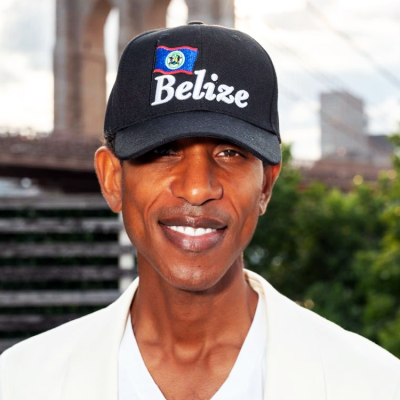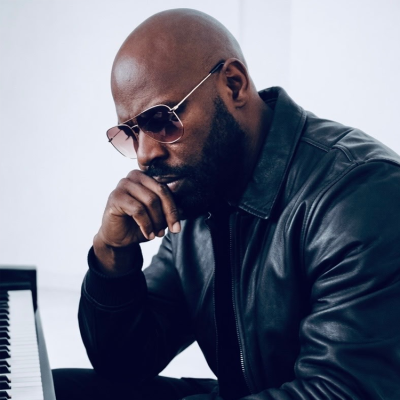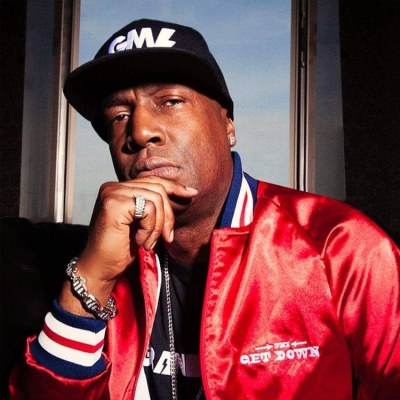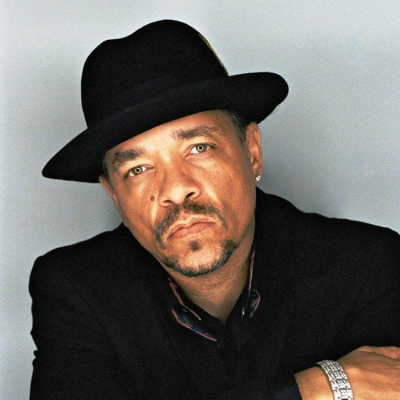









Some people watch history. Mopreme Shakur built it. Before the world put Tupac on a throne, Mopreme was in the trenches — brother, ride-or-die, voice that kept it 100.
Thug Life wasn’t just a crew; it was a code. Outlawz wasn’t just a name; it was a movement. Survival, loyalty, truth — he lived it while the world was sleeping.
From the chaos of “Thug Life: Volume 1” to the madness of Death Row, Mopreme wasn’t standing in the shadow. He sharpened the vision, guarded the message, made sure the mission stayed solid.
Now, in “This Thug’s Life: An Unapologetically Black Story”, he’s putting it all on the table. Family, the struggle, the man the world calls Pac. No filters, no myth. Just the raw truth, brick by brick, thug by thug.
Tupac Shakur wasn’t just your brother, he was your creative partner and confidant. How did that bond influence your path in hip-hop and life?
Our relationship influenced my path by making sure Pac got where he was supposed to be. He was special. I mean, I do my thing — I did my thing — but Pac was special, and it was important that his voice be heard. I spent a lot of time trying to help get him there.
You made your recording debut as Mocedes the Mellow on Tony! Toni! Toné!’s song “Feels Good” and appeared as Wycked on Pac’s “Papa’z Song.” How did those early experiences shape your approach to music?
One thing I like about being an artist is that you can make art — you can be fluid with it. You can create all types of art and embody different characters while doing it. That’s what it was for me at the time. It was development. It reflected the vibe I was feeling in that moment.
Thug Life changed the game culturally and musically. What was the vision behind the group, and how do you see its legacy today?
The vision behind the group was lost on many people. Some understood it, but a lot didn’t. The message was “The Hate U Give Little Infants F***s Everybody.” The acronym was about protecting kids. If you don’t nurture and take care of them, they can grow up to become monsters.
Society ends up labeling those monsters “thugs,” and many of them come from poor economic conditions. The common denominator is poverty—disenfranchisement, incarceration, homelessness. We were speaking about people who society often sees as the bottom.
You wrote many of the songs on “Thug Life: Volume 1”. How did crafting that record push you as a songwriter and storyteller?
I had to be very intentional on that record. I needed to make sure Pac had the freedom to express himself while also satisfying the label and not going too far over the line. At the time there was a strong push — from the highest levels of government — against explicit music. So it was a delicate balance. If it wasn’t done right, the project wasn’t going to come out.
You were an original member of the Outlawz under the name Komani. What led you to step away, and how do you reflect on that chapter now?
It was actually Outlaw Immortalz at first. It was set up for me to step away eventually. Me, Big Syke, and Pac came from Thug Life and integrated with the younger guys. The idea was to springboard them so they could build their own thing. We helped give them a strong push — especially with the big record on All Eyez on Me that DJ Pooh produced.
You were there for many highs and lows in Pac’s career—on stage, in the studio, and behind the scenes. Which moments still hit you the hardest when you reflect on that journey?
I wasn’t there for everything, but I was there for many moments. The ones that warm my heart the most are performing “Keep Ya Head Up” live with Pac at its peak, and performing “California Love” live when that record was at its height. Those memories I’ll never forget.
The drive-by in Las Vegas changed everything. How did you process that loss personally, artistically, and spiritually?
The process is ongoing. When you lose somebody like Pac, it creates a vacuum. I had to grow a thick skin because I knew people would always want to talk about it. I have good days and bad days, but I try to focus on the good memories.
Your memoir explores family, politics, and the fight for justice. How have those experiences shaped your voice in the culture?
It reminds me how important it is to talk about real things in music. There’s a market for everything — party records, gangster records, introspective records. But especially now, it’s important to say something meaningful. Artists are more influential than we sometimes realize.
Your work with Outlaw Immortalz and your solo career keeps you creatively active. How do you honor Pac’s legacy while still carving out your own lane?
That’s not too difficult because Pac and I shared a lane. We traveled the express lane together for a long time, so there’s not much space between our paths.
You’ve worn many hats — rapper, writer, producer, filmmaker, stagehand, soldier, and brother. Which role taught you the most resilience?
My military experience taught me a lot about resilience. Boot camp and that whole training process was intense. I was young and didn’t know if I’d make it through, but I believed I could.
Later on, my father’s experience also taught me resilience. Watching him survive 38 years in prison and come out standing strong on his own two feet was incredibly inspiring.
Fame, tragedy, and family are intertwined in your story. How do you stay grounded while navigating Pac’s global legacy?
I keep it in perspective. Pac was special, and he affected the world. Because of my relationship with him, I know I’m going to carry some of that weight. It comes with good and bad, but overall it’s a blessing. Pac was a blessing.
Your father instilled strong values around liberation and justice. How do you carry those lessons forward today?
Liberation is freedom, so I’m always down for that. And justice matters because in many ways our people have been treated unjustly. I’m still a strong advocate for reparations.
Some people say we’ll never get it, but we have to keep fighting—for our self-respect and our dignity. The damage wasn’t just economic; it was psychological. There’s trauma there.
Hip-hop has evolved a lot since the 1990s. How do you see the game today, and what do you want new artists to understand about the foundation you and Pac helped build?
There’s a market for everything, so artists should find their lane and pursue it with passion. But I hope people learn from our example—to endure, to fight for your rights, and to care about the community.
And most importantly: protect your business. Protect your intellectual property. Tell your own story. If you’re lucky enough to succeed in this game, safeguard your legacy.
Looking forward, what’s next for you: Music, film, activism, or something unexpected?
The work continues. As long as there’s a fight for justice, creativity, and truth in the culture, I’ll be part of that conversation.