







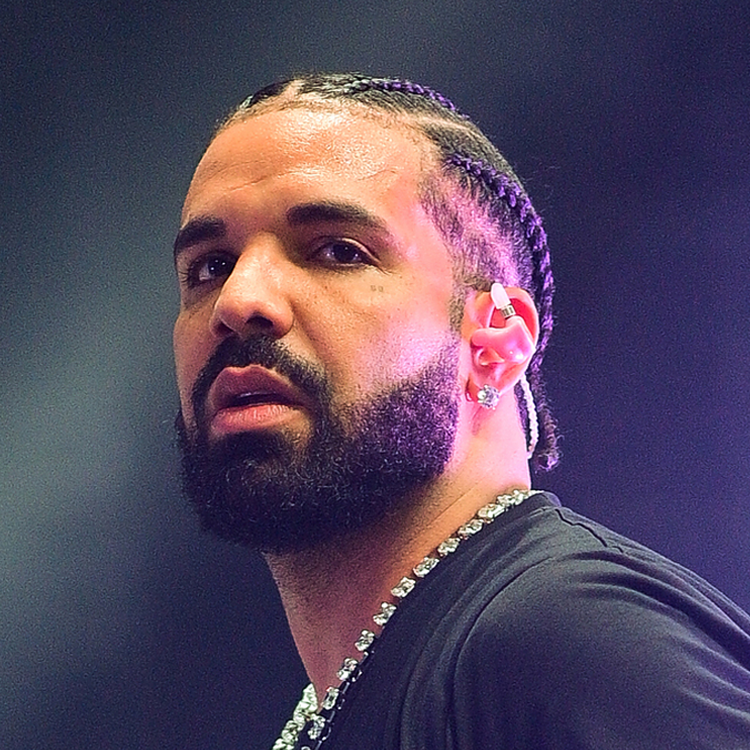

Drake is pushing back hard against a copyright infringement lawsuit accusing him of taking the chorus of his hit “Janice STFU” from another songwriter’s demo.
The Drake copyright lawsuit has turned one of the rapper’s biggest songs of 2026 into a high-stakes dispute over creative ownership, industry connections, and who deserves credit when a track becomes a hit.
Songwriter and producer Aviel Calev Hirschfield, who records as GoodbyeCalev, filed the lawsuit on October 16 in California federal court. He alleges that he wrote and recorded a chorus in January, then sent the demo to producers connected to Drake. Months later, he claims, he heard the released track and recognized what he says was his own work.
Drake’s camp is rejecting the accusation outright.
“These allegations are categorically, unequivocally, and completely denied,” the rapper’s representatives said, describing the lawsuit as baseless and arguing that Drake wrote the song himself.
The opposing accounts set up a contentious legal fight — but the allegations have not been proven in court.
A Demo, a Hit Song, and a Fight Over Credit
According to the complaint, Hirschfield created the chorus with Drake in mind and shared it with producers, including the duo FnZ. He claims the released song uses his lyrics, melody, and cadence without proper credit or compensation.
Hirschfield also alleges that he provided recording stems to support his claim after contacting Drake’s team. The lawsuit names Drake, OVO Sound, UMG Recordings, and Universal Music Publishing as defendants.
The case carries an added twist: Hirschfield previously shared songwriting credit with Drake on Beyoncé’s “Heated,” from her 2022 album “Renaissance”.
That history makes the dispute especially striking. This is not simply an unknown artist alleging that a superstar borrowed an idea; the parties have a documented connection through the music industry.
What Happens if the Lawsuit Moves Forward?
Hirschfield is seeking damages and a jury trial. The complaint does not specify a dollar amount, and there has been no court ruling establishing infringement.
For Drake, the case puts renewed attention on the creative process behind a chart-topping record. For Hirschfield, it is a fight to establish whether his alleged contribution was used without recognition.
The central question is straightforward but consequential: who actually created the hook that listeners heard?
Until evidence is tested in court, the claims remain disputed. The outcome could have implications beyond one song, touching on how demos circulate, how collaborators are credited, and how artists protect their work in an industry built on shared ideas.