







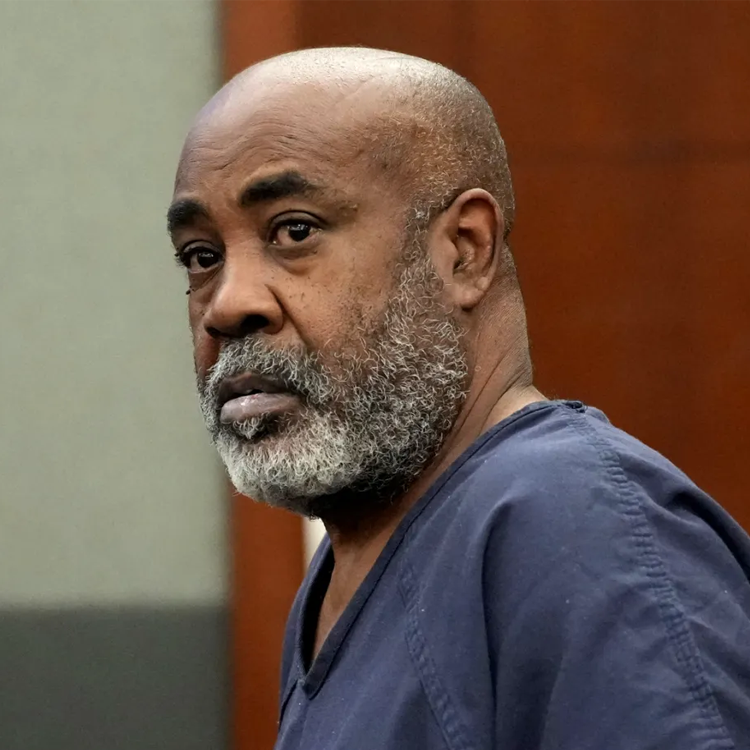


Nearly 30 years after Tupac Shakur was gunned down in Las Vegas, the Keffe D Tupac murder sentence has delivered a dramatic turning point in one of hip-hop’s most haunting cases.
Duane “Keffe D” Davis has been sentenced to 40 years to life in prison after being convicted of first-degree murder for his role in the 1996 killing of the legendary rapper.
On October 13, Judge Carli Kierny handed down the sentence, making clear that the passage of time did not erase the devastation caused by Tupac’s death. For his family and generations of fans, the ruling marks a major development in a case that remained unsolved for decades.
“You don’t get to take a man from his family,” the judge said, emphasizing the life and future stolen from Tupac.
Tupac’s Family Delivers an Emotional Message
The courtroom became a painful reminder that Tupac’s death was more than a defining moment in music history. It was a devastating personal loss that his family has carried for nearly three decades.
His sister, Sekyiwa “Set” Shakur, delivered an emotional statement describing the lasting impact of losing her brother. She urged the court to impose the maximum punishment, stressing that the consequences extended far beyond her own grief.
The sentence followed a guilty verdict delivered by jurors on August 31 after approximately 90 minutes of deliberation. Davis, 63, was convicted for his role in orchestrating the fatal shooting, though prosecutors did not allege that he personally pulled the trigger.
Keffe D Plans to Appeal the Conviction
Tupac was shot near the Las Vegas Strip on September 7, 1996, following an altercation involving members of rival groups. He died six days later, aged 25.
Investigators eventually built their case around Davis’s public statements, interviews and 2019 memoir, in which he described his involvement in events surrounding the shooting. Prosecutors argued those accounts helped establish his role in arranging the attack. His defense challenged the reliability of his statements and argued that physical evidence linking him to the killing was lacking.
After the verdict, Davis told the judge he intended to appeal. His legal challenge means the case may continue even as the sentence marks a significant milestone.
For Tupac’s family, the ruling cannot restore the future he lost. But after decades of unanswered questions, the courtroom decision represents a consequential moment in the pursuit of accountability.
Keffe D Sentence: 40 years to Life.
Judge: You don’t get to take a man from his family. You don’t get to take his very life, his whole future, from him….especially when that man is Tupac Shakur.#duanedavis https://t.co/Wb3Fr1tQsR
— Cathy Russon (@cathyrusson) October 13, 2026