







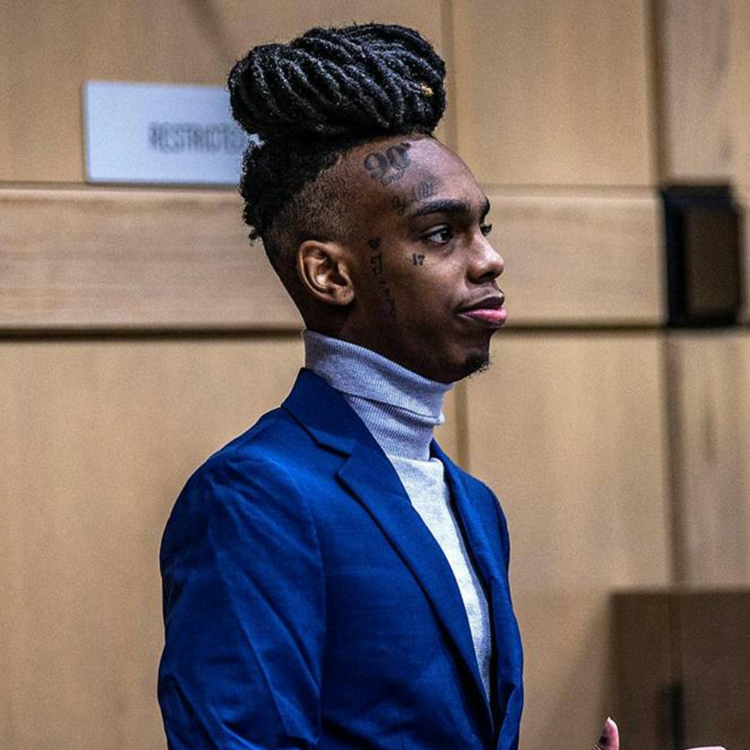

YNW Melly’s double-murder retrial is facing renewed scrutiny as a judge has approved livestreaming the jury selection process, bringing a high-profile and deeply contentious case back into the public spotlight.
With 500 prospective jurors summoned in Broward County, Florida, the decision highlights the extraordinary security concerns surrounding the rapper’s upcoming trial.
The court’s move offers the public a window into a crucial stage of the proceedings, but it also underscores how difficult it has become to protect the integrity of a case attracting intense public attention.
YNW Melly Jury Selection Comes With Strict Security
According to court documents, Judge Martin S. Fein ordered 500 potential jurors to be screened in groups of 50. From those eligible, a panel of 60 prospective jurors will be selected.
The judge cited concerns about inappropriate contact and attempted communication between members of the public and prospective jurors during the previous trial. As a result, spectators will not be permitted to sit inside the courtroom during jury selection. Instead, they can watch the proceedings through a livestream from a separate courtroom.
The decision presents a delicate balance between public access and courtroom security. Transparency matters in a case this consequential, but protecting jurors from outside pressure is essential to ensuring a fair legal process.
YNW Melly, whose legal name is Jamell Demons, is awaiting a retrial over the 2018 killings of fellow YNW members Christopher “Juvy” Thomas Jr. and Anthony “Sakchaser” Williams. He has pleaded not guilty.
Defense Challenges Evidence Ahead of Retrial
The jury selection announcement comes as Melly’s defense team challenges evidence obtained through search warrants involving Instagram, Snapchat, Google and an iPhone.
In a motion filed in October, his attorneys alleged that investigators relied on an affidavit containing intentional misstatements and omissions. They are asking the court to suppress the evidence, a request that could affect what prosecutors are permitted to present at trial.
The retrial is scheduled to begin on January 6, 2027, with Melly expected back in court on October 27.
For now, the livestream promises public visibility into the jury selection process, but it does not resolve the deeper questions surrounding the case. As proceedings approach, the central challenge remains ensuring that the evidence—not outside influence or public pressure—determines the outcome.